
Effects of the Broken-Hearted Brain
29th June 2018
Have you ever experienced that feeling in the pit of your stomach when something goes wrong, something unexpected happens and you feel helpless? One time you may have experienced this is during a heartbreak – the breakup between yourself and a partner or the loss of a loved one. Heartbreak is essentially a form of grief and affects people in various ways regardless of age and gender. Heartbreak causes intense emotional pain; we can feel it rise in our throats, sitting in our gut and the heart can literally feel like it is aching. These sensations lead us to think more about the physical aspects of being heartbroken when in reality, the main organ we should be focusing on is the brain.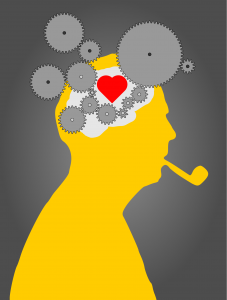
During heartbreak, the brain’s response is more drastic than we realise. The changes and responses in the brain are what are accountable in causing the horrible ‘symptoms’ that we all so commonly associate with having been heartbroken. In order to manage the way in which we respond and attempt to recover, we need to first understand why we feel and think the way we do. We also need to try to understand why we behave the way we do during these times. Everyone reacts to situations differently; however this is not to say that a certain person will react the same in similar situations every time. We learn and grow from our experiences and this understanding is a vital component to getting through this process.
Many things happen in our brains when we feel as though we have been heartbroken, but the following are three main ways – identified by Guy Winch, Ph.D (2017) – in which this experience affects us. The first one is the pain we feel emotionally feels like physical pain. It has been found by looking at fMRI studies that heartbreak stimulates similar brain mechanisms to those which are activated when experiencing physical pain. Some studies even showed that some emotional pain people experienced was equivalently rated as “nearly unbearable” pain. However, when we experience physical pain in everyday life, it is usually only extended for a short period of time whereas pain from heartbreak can linger for days, weeks and even months for some; it can feel very intense and is a daunting aspect for many.
The second is the experience of withdrawal symptoms. Other fMRI studies have highlighted that the experience of heartbreak can activate the same brain mechanisms that are present when addicts are facing withdrawal from substance abuse. These powerful symptoms can impact our ability to think, focus and even function from day-to-day in the broadest terms. When we think of an addict going through withdrawal, we understand that they are temporarily in an ‘abnormal mental state’ and we need to think of heartbreak in the same way – trying to modify expectations of both ourselves and others accordingly.
The third thing to happen is the presence of intrusive thoughts that have the ability to keep us ‘stuck’. During the time after a breakup our brain has the ability to hit us with intrusive thoughts, such as those of an ex, without any warning. It could be a memory, a conversation you held with them, an image or any reminder that interrupts us – reopening the wound and reactivating the emotional pain and turmoil. Some days these painful intrusive thoughts can take place dozens of times, significantly hindering the recovery process, thus making it clear why so many of us can really struggle to ‘get over it’ and recover in any kind of timely fashion. There is no specific amount of time to feel better, and it only makes you human to feel saddened by a loss.
By understanding the intense challenges that can be faced through heartbreak, it should allow us to be softer on ourselves and others around us, making us more self-compassionate and avoid the self-blame and criticisms we put upon ourselves. There is never any need to feel ashamed of how long it may take you to get over personal heartbreak; there is no time scale. Give yourself the time to grieve and take note of all the involuntary changes that the brain makes through such times, that can affect you in different ways.
There is not right or wrong way to feel but if you feel like you are struggling too much, do not bottle it all up on your own. There are various help channels available, the first being your local GP along with charity organisations such as the Samaritans who offer 24/7 services via the phone, email or post.